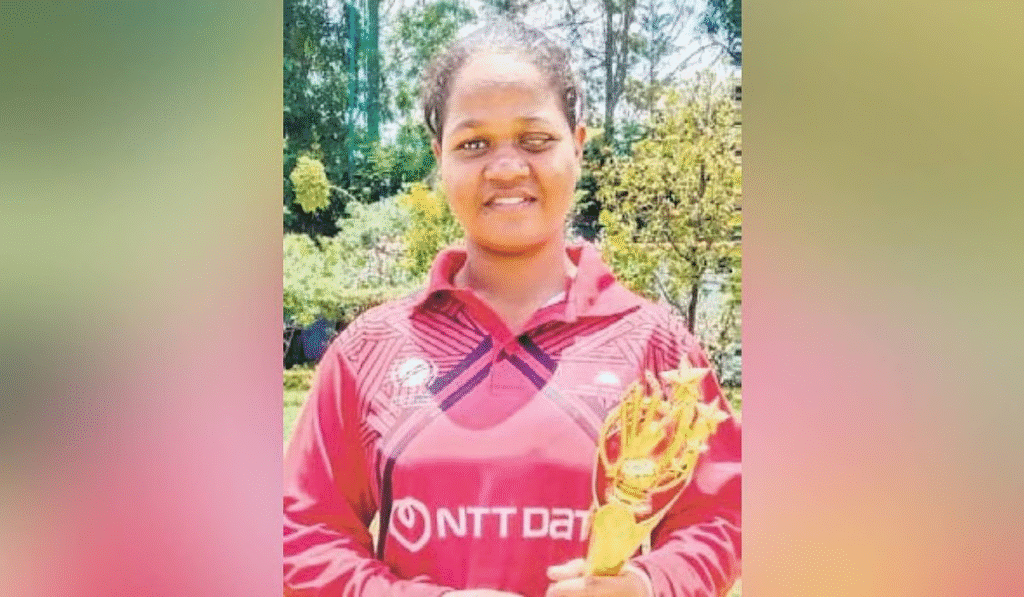
The story of Karuna Kumari cricket India is the kind of real‑life script even cinema struggles to match. A 15-year-old girl from a small tribal hamlet in the Eastern Ghats, born completely blind and far from any formal sport, walks out in a World Cup final and plays a fearless, match‑winning knock. In Colombo, during the inaugural Women’s T20 Blind World Cup, Karuna Kumari cricket India turned from a little‑known name into a symbol of courage, focus, and unshakeable belief.
Karuna Kumari Cricket India: From Remote Village To National Jersey
The journey of Karuna Kumari cricket India begins in Vantla Mamidi, a remote tribal village in Alluri Sitarama Raju (ASR) district of Andhra Pradesh. She was born with total visual impairment and, as a child, often heard neighbours say she wouldn’t be able to study or play like others. Yet, her parents, especially her father Rambabu, kept standing by her side, determined not to let her blindness define her limits.
The turning point in the Karuna Kumari cricket India story came just a couple of years ago, when she enrolled at the Government Residential School for Visually Challenged Girls in Visakhapatnam. There, physical education teacher Satyavati and principal Vijaya noticed her natural balance and agility. With the guidance of coach Ravi Kumar, Karuna Kumari cricket India began learning blind cricket—following the rattle of the special ball, reading angles through sound, and trusting her instincts instead of sight.
Rise Through Trials And Tournaments
Progress in Karuna Kumari cricket India story was neither quick nor easy. She first had to restart her education after dropping out around Class 7 due to her vision, before returning to school in August 2023 when staff from the residential school reached out to her family. Once back, she trained regularly, picking up speed, timing and technique in blind cricket, while coping with small injuries and the physical demands of the game.
Her performances soon pushed Karuna Kumari cricket India onto bigger stages. She impressed at domestic tournaments in Hooghly, Cochin and Hyderabad, and then in the Infinity Series, where she showed the temperament to bat long even under pressure. At the World Cup selection trials in Bengaluru, she smashed 114 runs off 70 balls in one game, effectively forcing selectors to take note and earning a deserved place in India’s squad for the first Women’s T20 Blind World Cup.
Match-Winning 42 In The World Cup Final
The crowning chapter of Karuna Kumari cricket India unfolded in Colombo at the P. Saravanamuttu Stadium. India faced Nepal in the final of the inaugural Women’s T20 Blind World Cup, having remained unbeaten throughout the tournament. After the bowlers restricted Nepal to 114/5, India needed calm heads in the chase. That is when Karuna Kumari cricket India stepped up.
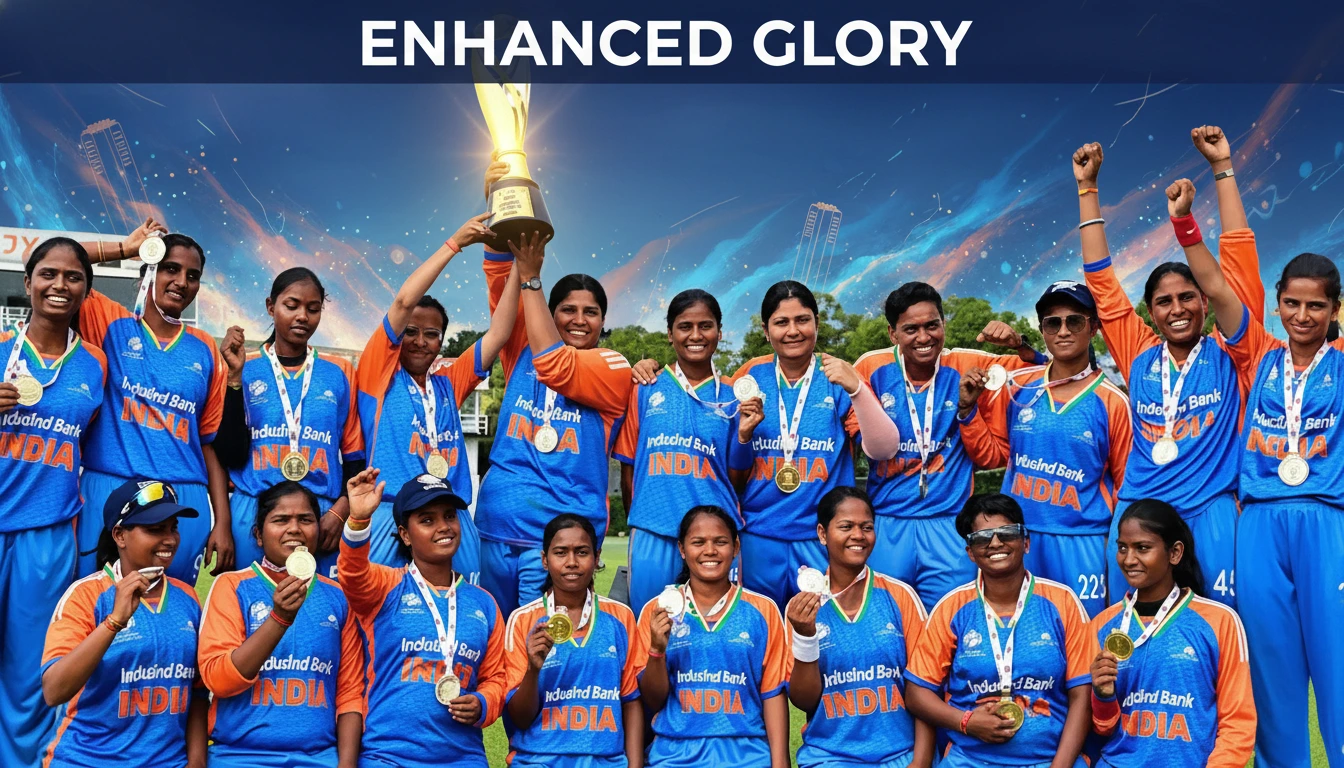
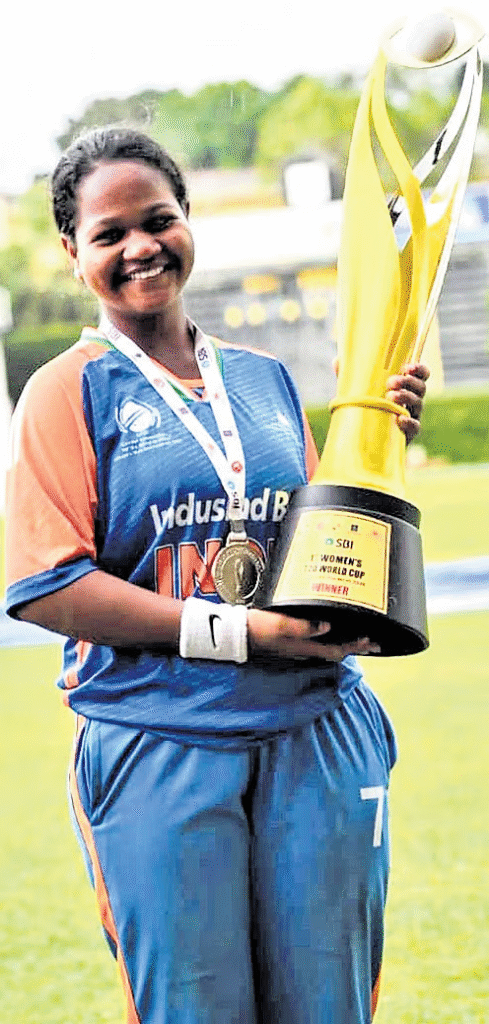
Batting in the B1 category for completely blind players, Karuna Kumari cricket India produced a brilliant 42-run knock that anchored India’s reply. She rotated strike, punished loose balls and never let the required rate climb, helping India cruise to 117/3 in just over 12 overs and seal a commanding seven‑wicket win. Her innings was widely hailed as match‑defining, with state officials and cricket bodies praising Karuna Kumari cricket India as the face of a new, fearless generation in blind women’s cricket.
Inspiration For Blind And Tribal Children
What makes Karuna Kumari cricket India so powerful is not just the runs she scored, but where she came from and what she represents. As a completely blind teen from a tribal, economically challenged background, she had every reason to fade into silence. Instead, she returned home draped in the national flag and a World Cup medal, welcomed as a hero by her village and state associations.
Today, Karuna Kumari cricket India is being cited by coaches and activists as a living example that “blindness is no barrier to excellence.” She herself has said that visually impaired children only need more care, better facilities and encouragement to thrive—a simple but powerful message. Her journey from a hamlet in the Eastern Ghats to the world stage shows that talent exists everywhere; it just needs a chance, a coach who believes, and a family that refuses to give up.
You Can Check Out More Sports News Here.