
The True Cost of Success
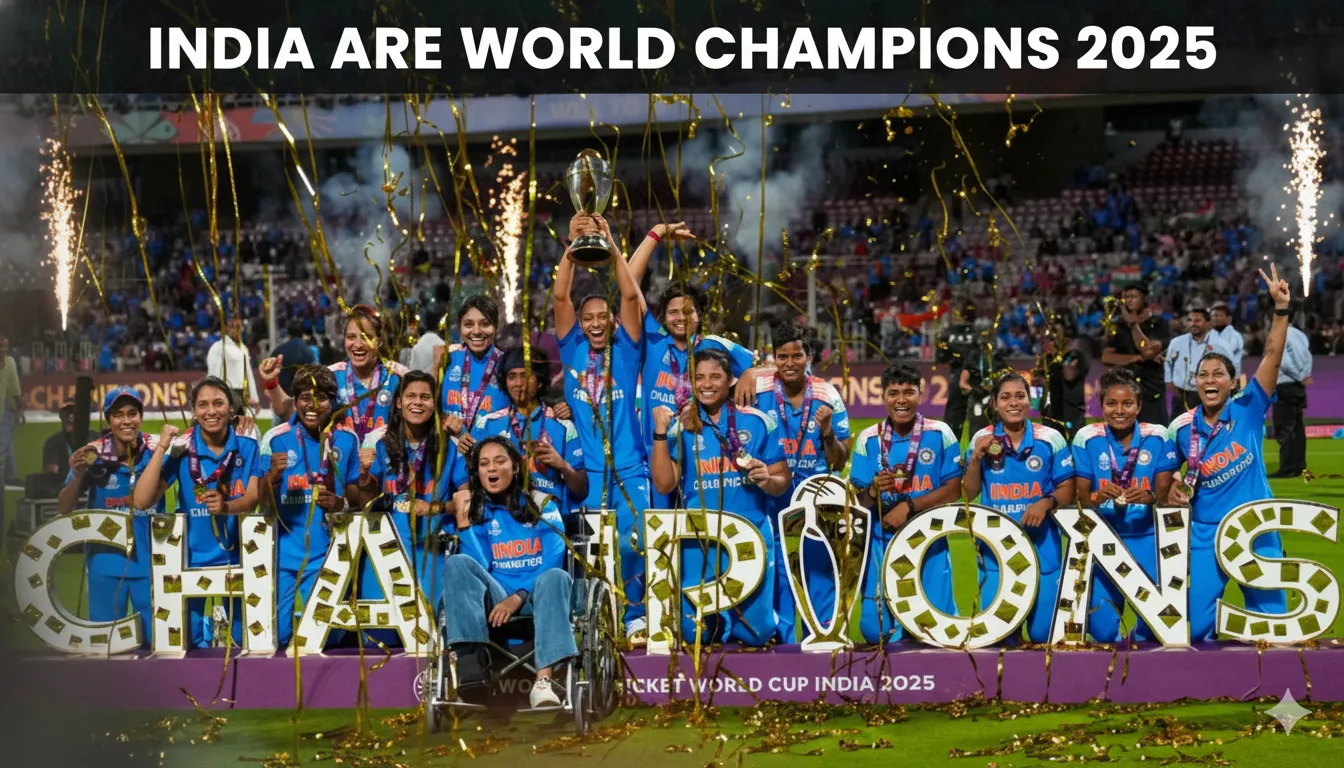
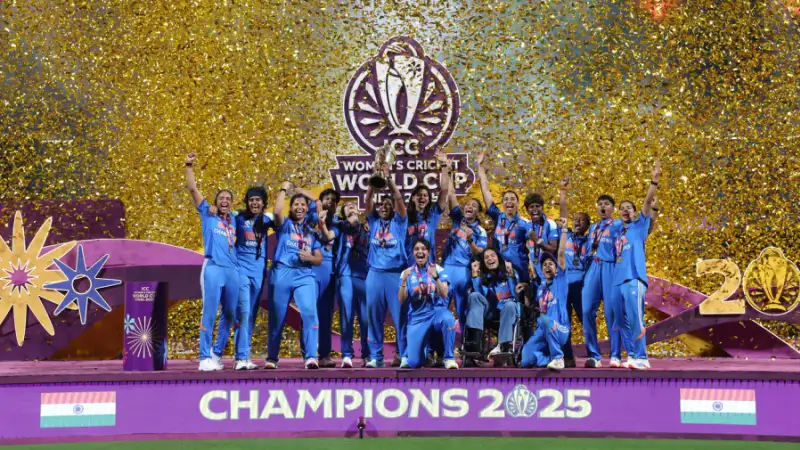
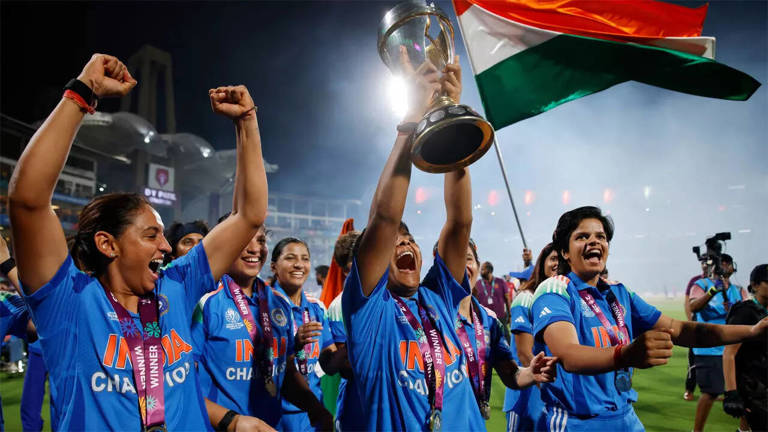
The ₹91 Crore Question. The image of Harmanpreet Kaur lifting the ICC Women’s World Cup trophy in Navi Mumbai was the culmination of two decades of struggle, sacrifice, and quiet determination. But the victory brought with it a reward that speaks to a seismic shift in the sport’s valuation: a combined prize pool of approximately ₹91 crore (including the ICC winner’s purse and the BCCI’s unprecedented ₹51 crore bonus). India World Cup prize money women’s cricket.
This figure is more than a cheque; it is a mandate. It confirms that women’s cricket is no longer a niche, charitable endeavour—it is a global, profitable asset. The ₹91 crore question is not just where this money goes, but how this single moment of financial recognition is leveraged to revolutionize the sport from the bottom up, ensuring that the next generation of champions have pathways, not just dreams.
Decoding the ₹91 Crore Windfall
To understand the impact, we must first break down the monumental nature of the prize:
A. The ICC’s Commitment to Parity
The International Cricket Council (ICC) played a crucial role. India’s share from the tournament was approximately ₹40 crore (USD 4.48 million). Critically, the entire women’s World Cup prize pool was $13.88 million, marking a nearly 300% increase from the previous edition. For the first time, the women’s prize structure surpassed that of the preceding Men’s ODI World Cup, fulfilling a long-standing demand for parity.
B. The BCCI’s Statement of Intent
The true game-changer was the Board of Control for Cricket in India (BCCI) announcing an additional, historic ₹51 crore reward for the entire contingent. While this figure was still less than the bonus given to the men’s T20 World Cup champions in 2024, it represents the largest single financial reward in Indian women’s sporting history.
Expert Analysis: The collective ₹91 crore is not just retrospective payment for a job well done; it is an investment in belief. It shatters the economic barrier that historically prevented talented girls from modest backgrounds from pursuing cricket as a viable, secure, and prestigious career path.
The Critical Gap—Why Grassroots Investment is Essential
The spotlight naturally falls on the players, but the greatest systemic impact must be felt away from the national team. For every Harmanpreet Kaur, there are thousands of young girls across India’s smaller cities and villages who face immense hurdles.
A. Infrastructure and Access
Winning a World Cup is evidence of elite talent, but accessing the sport remains a challenge at the grassroots level.
• Gendered Facilities: Many local and district-level academies still lack basic, safe facilities for female athletes (separate changing rooms, bathrooms, and designated training times).
• The Equipment Divide: Quality cricket gear—especially specialized equipment for girls, which can be expensive—is often scarce in non-metro areas.
• Structured Coaching: The need for certified female coaches and specialized technical training at the district level far outweighs the current supply.
B. The Pipeline Problem: U-19 and ‘A’ Teams
The success of the Women’s Premier League (WPL) has created a strong top layer, but the foundation needs reinforcing. This prize money, or subsequent commercial revenue, must address the immediate needs of the domestic pipeline:
• Full-Time Under-19 Program: Establishing a year-round, fully funded national U-19 program, complete with nutritionists, physiotherapists, and dedicated coaches, ensures that talent is continuously identified and nurtured.
• Professionalizing ‘A’ Tours: Frequent and challenging international ‘A’ team tours are necessary to bridge the gap between domestic cricket and the senior national team, allowing young players to gain experience in foreign conditions.
The Social and Cultural Ripple Effect
The money does more than fund programmes; it changes perceptions.
A. The Endorsement Market Surge
The financial success directly affects the personal careers of the players. With a ₹91 crore triumph as a backdrop, the endorsement value of players like Smriti Mandhana, Jemimah Rodrigues, and Renuka Singh is set to skyrocket. This not only increases their personal income but raises the overall market value of women’s sports, driving corporate interest and further investment.
B. Shifting Parental Mindsets
The most profound impact is cultural. For decades, parents viewed cricket for girls as a hobby with no financial return. The sheer scale of the ₹91 crore reward, combined with the promise of WPL contracts and the BCCI’s equal pay policy, sends an undeniable message: Women’s cricket is a financially viable and respectable career.
• The victory serves as the most powerful form of marketing, ensuring that when a young girl asks her parents for a bat and pads, the conversation is now about potential return, not just sacrifice.
The BCCI has the blueprint ready, but specific actions are needed to truly leverage this financial momentum:
1. District-Level Infrastructure Fund: Dedicate a portion of future revenues to directly fund state associations for the exclusive purpose of building girls’ and women’s training facilities.
2. Increased Domestic Match Fees: While the national team enjoys parity, increasing the match fees for domestic and state-level women cricketers would provide financial relief and encouragement to those on the fringe of the national squad.
3. Scholarships and Development Camps: Establishing a national scholarship programme, perhaps named after a legend like Jhulan Goswami, to support the education and training costs of talented girls from underprivileged backgrounds.
Conclusion: The Triumph is Only the Beginning
The ₹91 crore reward is a monument to the World Cup triumph. It is a deserved recognition for the players who finally delivered the ultimate prize.
However, the real legacy of this victory will not be counted in the size of the cheque, but in the thousands of new training facilities, the dedicated coaches, and the sheer volume of young girls who now know that a career in cricket offers not just glory, but prosperity. The task now is to ensure this financial windfall fuels the grassroots, making the 2025 World Cup victory the catalyst for a permanent revolution in Indian women’s cricket.