

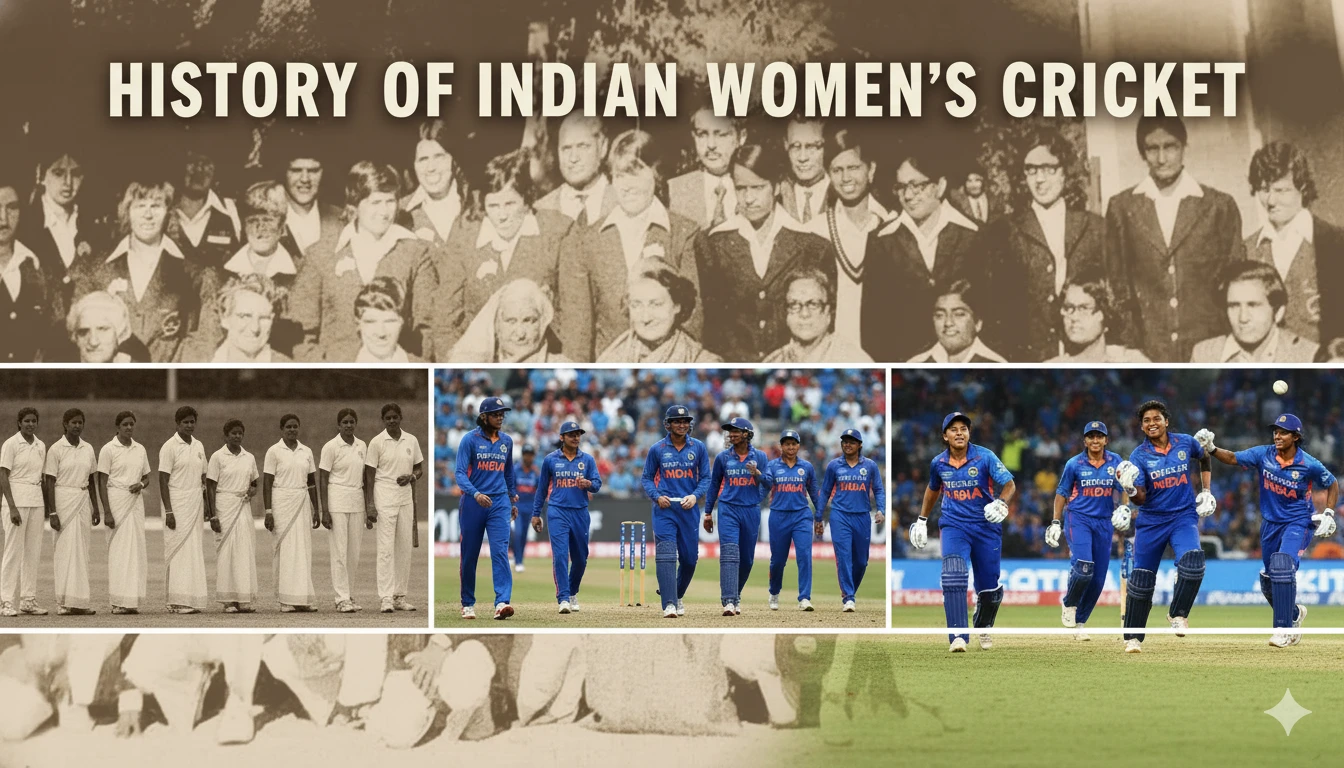
The History of Indian Women’s Cricket Team (IWCT) is not just a tale of balls and bats; it’s a profound narrative of resilience, a struggle for recognition, and a glorious, hard-won triumph. For decades, the women in blue fought not just opponents on the pitch, but apathy, limited resources, and the societal notion that cricket was a “gentleman’s game.” That long, winding road—from the first pioneering Test match in 1976 to the historic ICC ODI World Cup 2025 victory—is the true testament to the spirit of Indian women in sport.
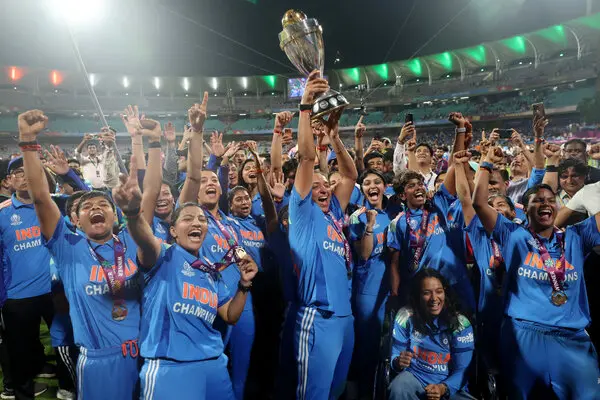
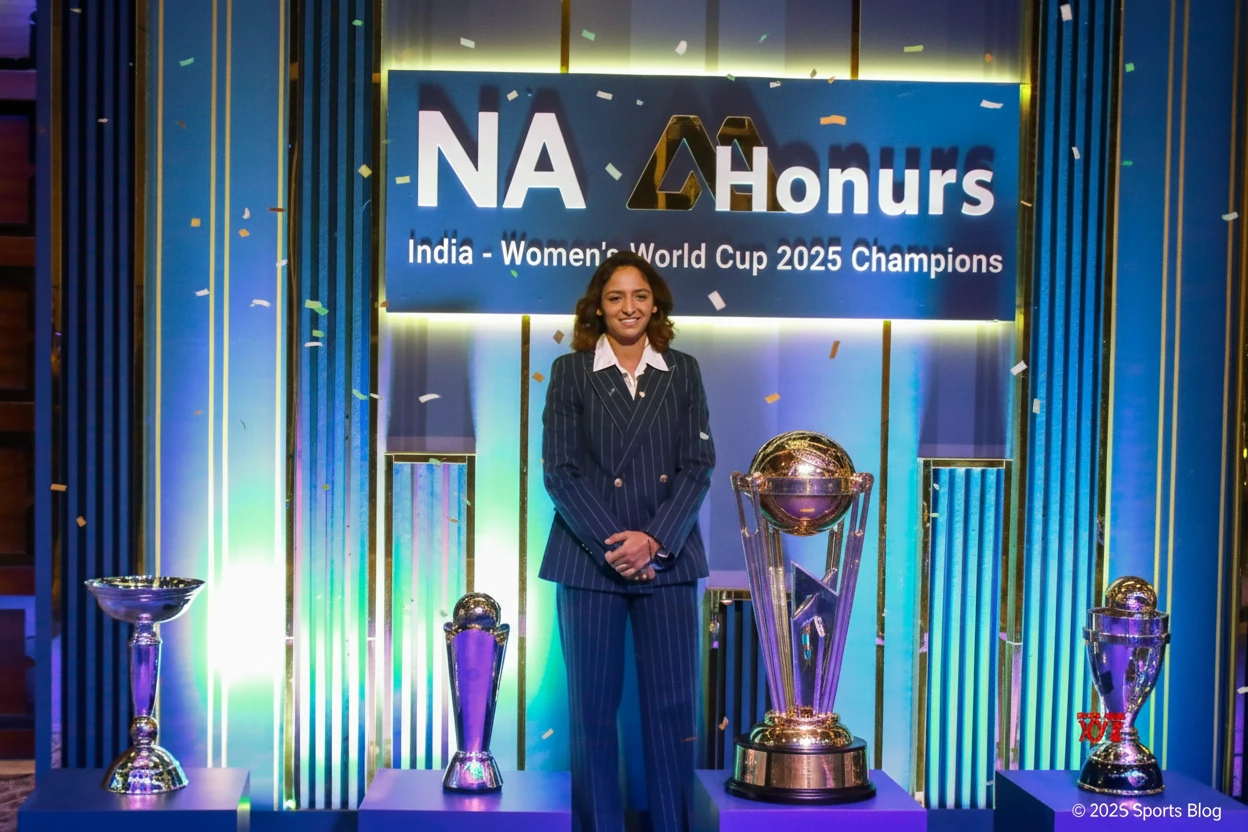
The 2025 World Cup trophy, now proudly held by Captain Harmanpreet Kaur, is not just a modern achievement; it is the culmination of the tireless efforts of pioneers who laid the foundation when resources were scarce and visibility was minimal. To understand the magnitude of this victory, we must look back at the History of Indian Women’s Cricket Team and its remarkable evolution.
The Beginning: 1970s and the Test Debut
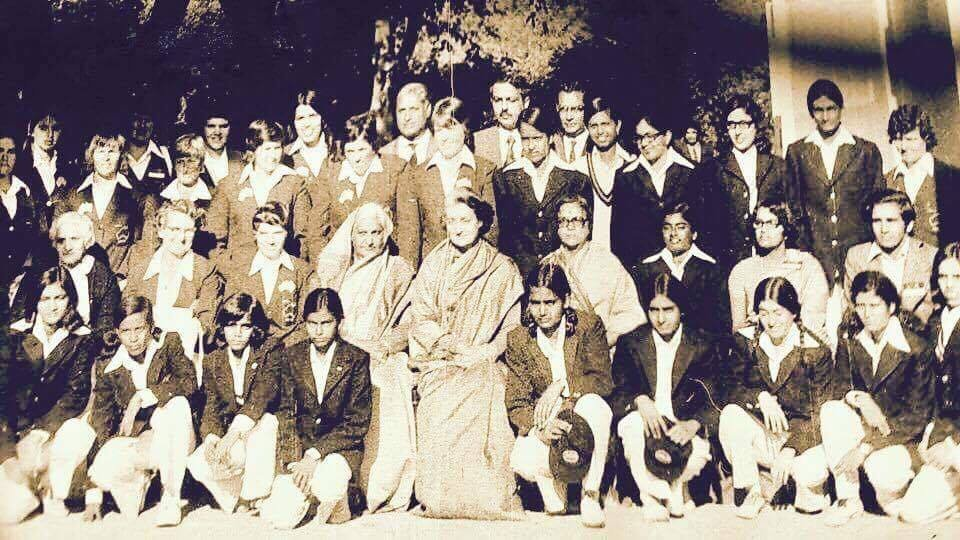
The journey of the IWCT officially began not under the massive infrastructure of the BCCI, but through the grassroots efforts of the Women’s Cricket Association of India (WCAI), founded in 1973. This was the era of the trailblazers.
- 1976: The First Test Match: Just three years after the WCAI’s formation, India’s women stepped onto the international stage. Their first-ever Test match was played on October 31, 1976, against the West Indies at the M. Chinnaswamy Stadium in Bangalore, which resulted in a draw. This moment marked India’s entry into global cricket.
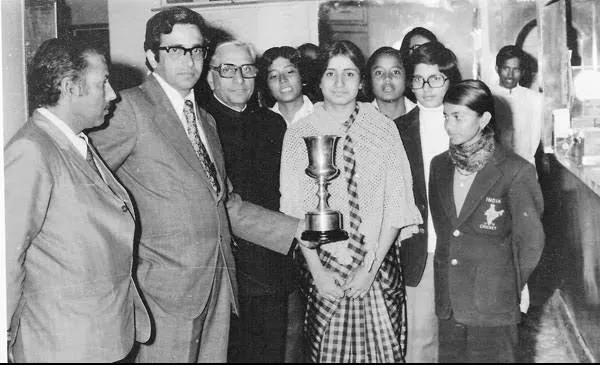
- 1978: The World Cup Debut: India hosted the second-ever Women’s ODI World Cup in 1978, simultaneously marking their own debut in the tournament. They were led by figures like Shantha Rangaswamy, who would become the first Indian woman to score a century and lead the team to its first Test victory that same year.
- The Early Struggle: For decades, the players battled challenges that their male counterparts did not face: arranging their own travel, patchy financial support, and long periods with no international fixtures. These pioneers, including the iconic left-arm spinner Diana Edulji, played for the sheer love of the game, setting the standard for grit.
The Era of Near Misses: The 21st Century Icons
The fortunes of the IWCT began to truly change when the WCAI was merged with the BCCI in 2006/07. This provided better financial backing, infrastructure, and visibility, ushering in the golden generation of legends.
- 2005: The First Final: Under the captaincy of the legendary Mithali Raj, India reached their first-ever World Cup final in South Africa. Although they lost to Australia, the achievement put the IWCT firmly on the national radar. Mithali Raj herself became an icon, ultimately becoming the highest run-scorer in women’s ODI history.
- 2017: The Heartbreak at Lord’s: The 2017 World Cup final against England at Lord’s became a watershed moment. The team fell short by a mere nine runs, a defeat that was agonizing but captured the entire nation’s attention. The tournament revealed the brilliance of Harmanpreet Kaur (with her spectacular 171* in the semi-final) and showcased the mastery of the world’s highest ODI wicket-taker, Jhulan Goswami. This loss became the defining motivation for the years that followed.
- 2020: The T20 Final: India reached the final of the T20 World Cup in Australia but were defeated by the host nation, reinforcing the notion that they could not clear the final hurdle in an ICC event.
The Climax: The 2025 World Cup Triumph
The long wait finally ended on November 2, 2025.
- The WPL Factor: By 2025, the team had been fundamentally transformed by the success of the Women’s Premier League (WPL), which provided players with year-round professional training, high-stakes exposure, and financial security.
- The Unbreakable Spirit: Led by Captain Harmanpreet Kaur, India’s path to the final in Navi Mumbai was paved with record-breaking performances, including the highest successful run-chase in Women’s ODI history (339 vs. Australia in the semi-final), featuring a sensational century by Jemimah Rodrigues.
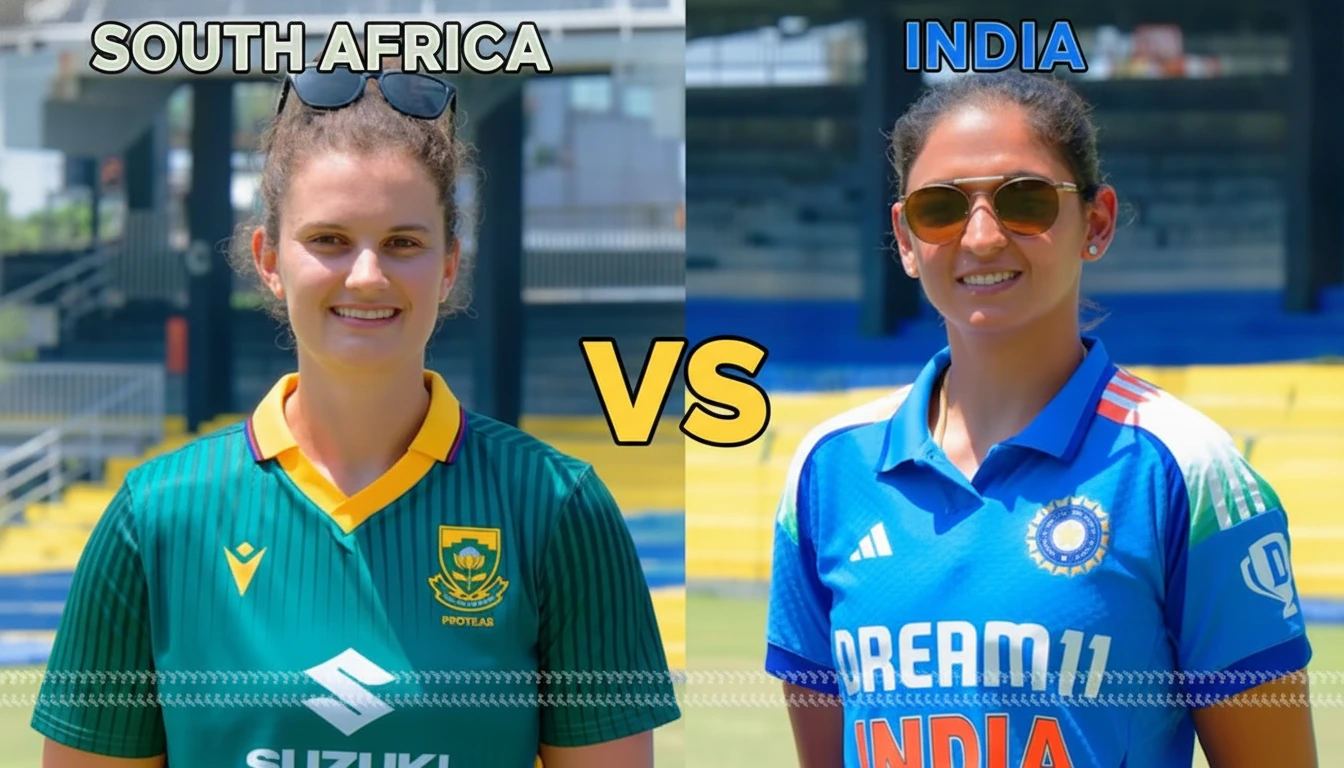
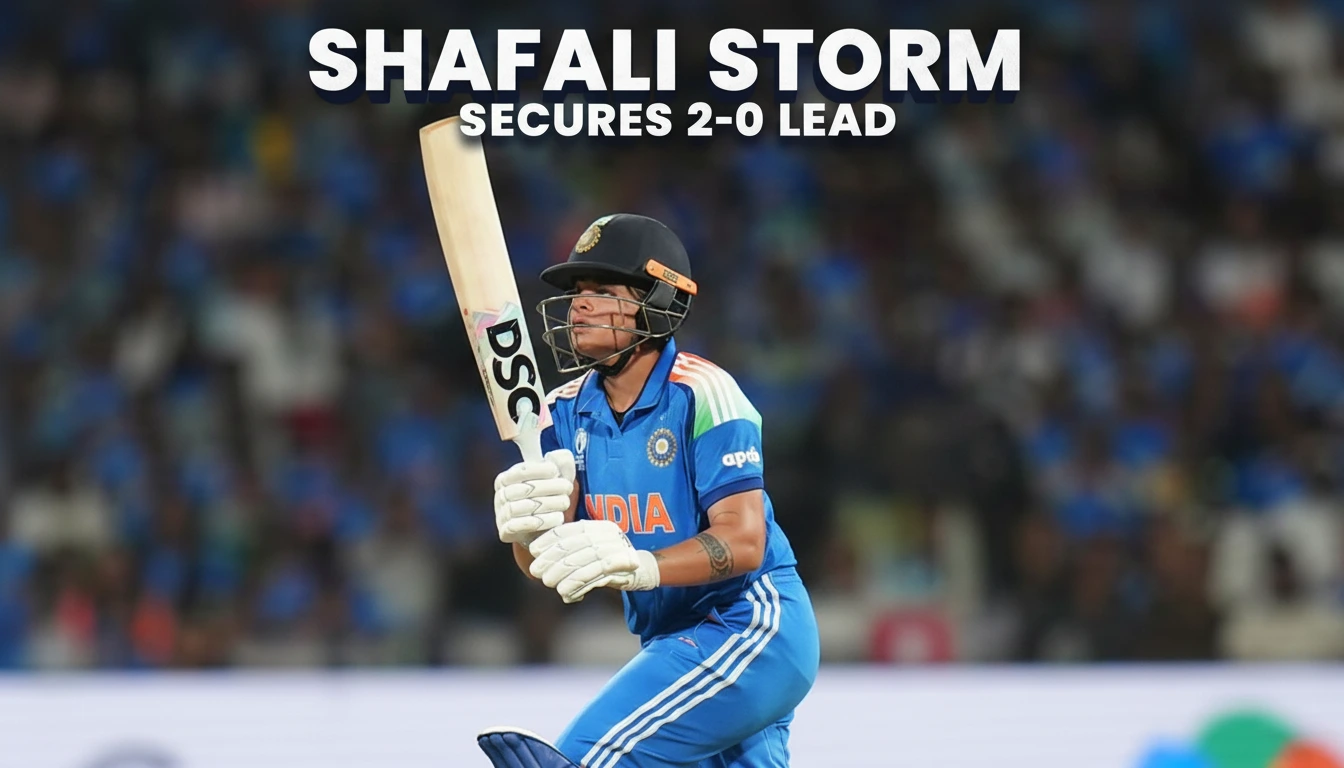
- The Final: In front of a roaring crowd at the DY Patil Stadium, India defeated South Africa in the final by 52 runs. Opener Shafali Verma’s aggressive 87 and a match-winning five-wicket haul by Deepti Sharma sealed the victory. This win not only crowned India as World Champions for the first time but also cemented the equal match fee policy introduced by the BCCI as a symbol of the sport’s new era.
The History of Indian Women’s Cricket Team is a legacy built on the dreams of the 1976 pioneers, fortified by the persistence of the Raj and Goswami generation, and fulfilled by the fearless aggression of the 2025 champions. It is a story that proves the phrase “It’s just the beginning” is not a cliché, but a profound truth.
You Can Check Out More Sports News Here.

Leave a Reply