

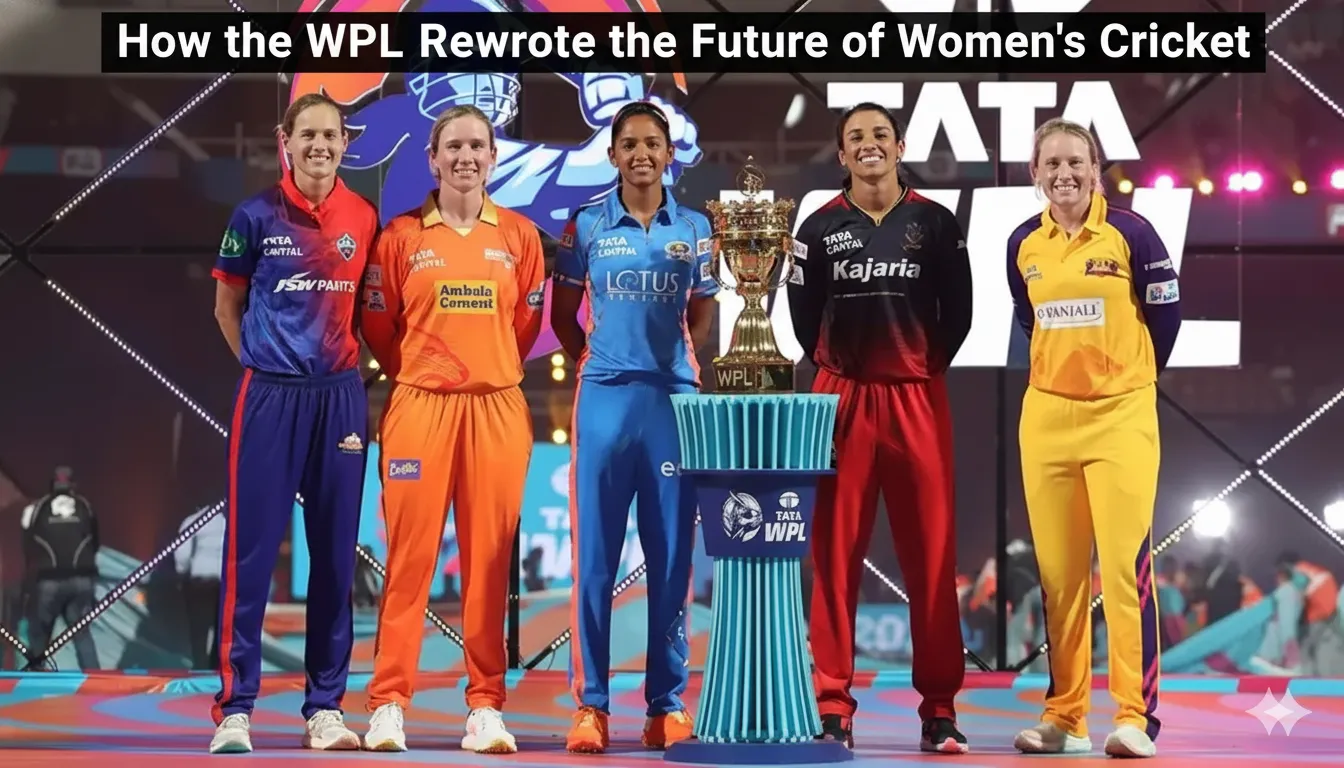
How the WPL Rewrote the Future of Indian Women’s Cricket. Just a few years ago, women’s cricket in India felt like a side story, a promising chapter in a book dominated by the men’s game. The talent was undeniable, the passion was there, but the spotlight? That was always somewhere else.
Fast forward to today, and the entire narrative has flipped. The deafening roar of sold-out stadiums, prime-time TV slots, and multi-crore player auctions have become the new reality. So, what was the catalyst for this seismic shift?
One acronym says it all — WPL.
The Women’s Premier League hasn’t just changed the game; it has created an entirely new one. It’s the engine behind a revolution that propelled India to a historic 2025 ICC Women’s World Cup victory and inspired a generation of girls to dream with a bat in hand.
Let’s break down how this tournament is shaping the future, one boundary at a time.
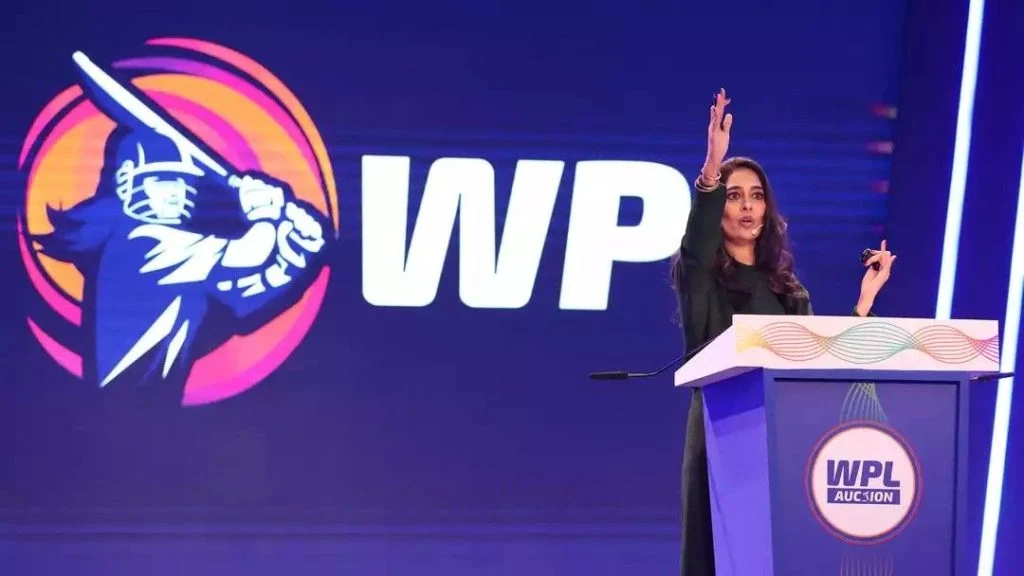
The Roar of the Crowd: A Visibility Revolution
Remember when women’s cricket matches were played in front of empty stands? Those days are history. The WPL has turned women’s cricket into a blockbuster sporting spectacle.
- The 2023 debut season reached 50 million TV viewers (BCCI and Viacom18 data).
- By 2024, that number soared to 103 million viewers.
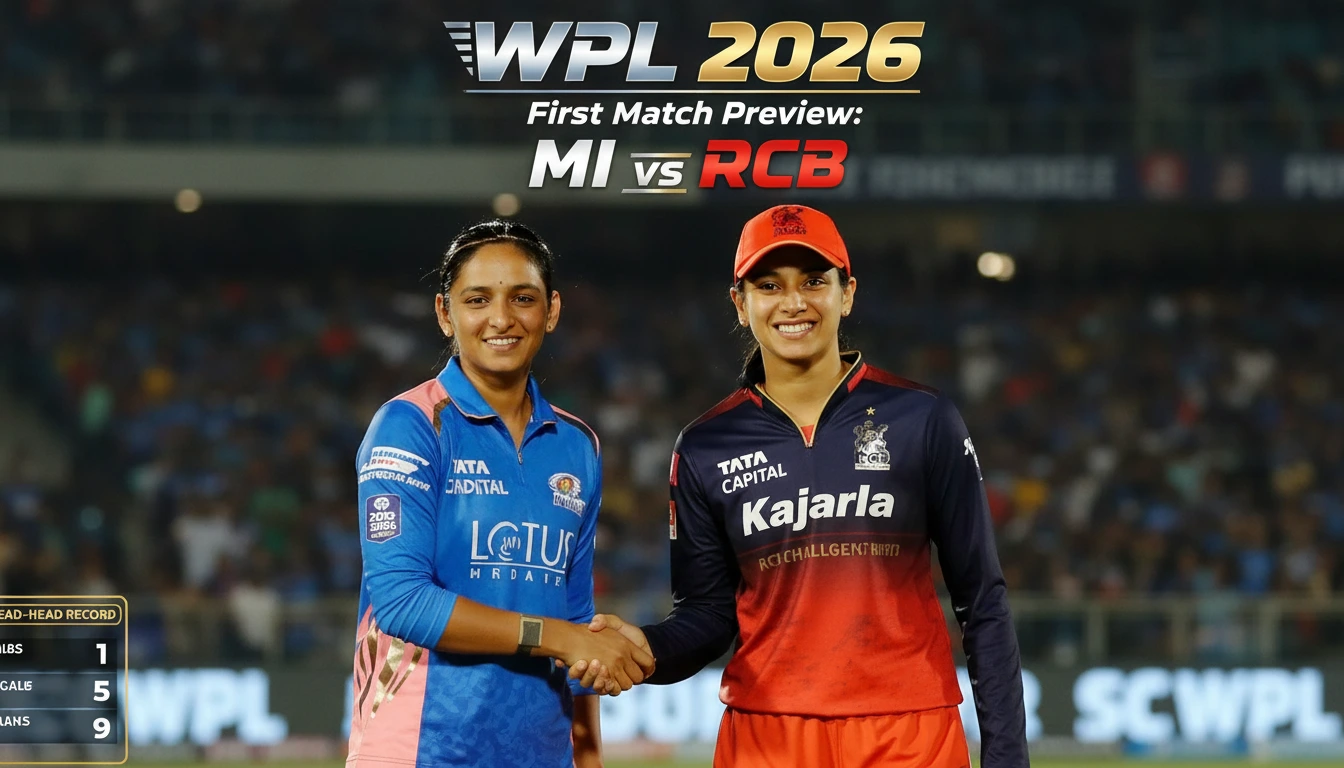
- The 2025 opening clash between RCB and MI Women drew 30 million live viewers, with stadium tickets selling out within hours.
This surge has created a fan base of over 300 million cumulative viewers across three seasons — rivaling the IPL’s early years.
Moreover, WPL weekends have seen a 40% increase in flight and hotel bookings for host cities like Bengaluru and Mumbai (Cleartrip data, 2025).
Key takeaway: The WPL isn’t just a cricket league — it’s an entertainment and economic phenomenon.
More Than Just a Game: Forging Careers and Fortunes
For decades, Indian women cricketers struggled for financial security, often juggling jobs to fund their careers. The WPL has rewritten that reality.
In its inaugural season, Viacom18 secured ₹951 crore in media rights for five years — the second-highest deal in women’s sport globally, behind only the WNBA.
This confidence trickled directly down to players:
| Top 2025 WPL Earners | Team | Bid Amount (₹ Crore) |
|---|---|---|
| Smriti Mandhana | RCB Women | 3.4 |
| Harmanpreet Kaur | MI Women | 2.9 |
| Shafali Verma | Delhi Capitals | 2.2 |
| Deepti Sharma | UP Warriorz | 2.0 |
| Richa Ghosh | RCB Women | 1.6 |
These figures are life-changing — a statement that female athletes deserve equal recognition and reward.
It’s not just about the money; it’s empowerment. Cricketers now have the means to invest in nutrition, coaching, physiotherapy, and recovery, raising professional standards across the board.
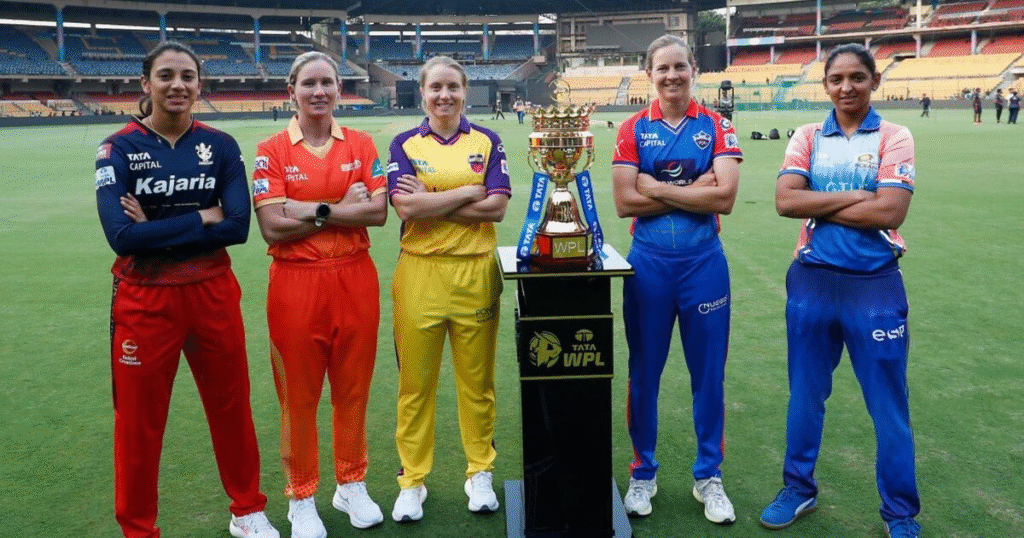
The Ultimate Proving Ground: Where Talent Meets Opportunity
The WPL is the perfect testing arena for young Indian players. Competing against legends like Alyssa Healy, Nat Sciver-Brunt, and Meg Lanning gives local talent world-class exposure.
This environment has birthed a fearless new Indian team. The aggressive batting style of Shafali Verma, the composure of Deepti Sharma, and the leadership of Harmanpreet Kaur all trace back to lessons learned from the WPL.
The impact is visible: India’s Under-19 team clinched the World Cup in 2024 — proof that the WPL’s competitive ecosystem is nurturing future champions.
Breaking Barriers, Inspiring a Generation
Beyond boundaries and wickets, the WPL is a social revolution. It’s challenging outdated gender stereotypes and redefining women’s roles in sport.
Every six hit by Harmanpreet Kaur or fiery spell from Renuka Singh chips away at old prejudices. These women aren’t just athletes — they’re icons.
According to a 2025 Sportstar survey, 76% of parents now say they would encourage their daughters to play cricket — a direct result of the visibility and respect the WPL has brought.
That’s the real victory: the normalization of women’s ambition in a once male-dominated field.
The World Cup Dream: A Promise Fulfilled
When India lifted the 2025 ICC Women’s World Cup, it was more than a trophy — it was the validation of the WPL experiment.
Former captain Mithali Raj summed it up perfectly:
“The WPL gave our players the match experience and mindset needed to perform under pressure — that’s what champions are made of.”
The core of that World Cup-winning team — Harmanpreet, Smriti, Shafali, Deepti, and Richa — all honed their match temperament through WPL’s high-stakes encounters.
The Road Ahead: Navigating the Challenges
While the success is phenomenal, sustaining it requires foresight:
| Key Challenge | Proposed Action |
|---|---|
| Strengthening domestic depth | Introduce structured contracts for domestic players and more inter-state tournaments. |
| Expansion vs. consolidation | Carefully evaluate adding a 6th team to maintain competitive balance. |
| Sustaining fan engagement | Develop school and college tie-ins, women’s cricket festivals, and fan clubs. |
| Grassroots support | Partner with NGOs and state boards to nurture young girls in cricket academies. |
If addressed strategically, these steps can make the WPL a global sporting benchmark.
A New Dawn for Indian Cricket
The Women’s Premier League is no longer just a T20 event. It’s a movement — a blend of sport, culture, and empowerment.
By giving women cricketers the stage they’ve always deserved, it has reshaped Indian cricket’s identity and elevated the nation’s global sporting image.
The WPL has ensured that the roar for India’s women in blue will echo louder than ever — and this time, it’s here to stay.






Leave a Reply